Combining Lunch and Dinner for Balance
February 2026
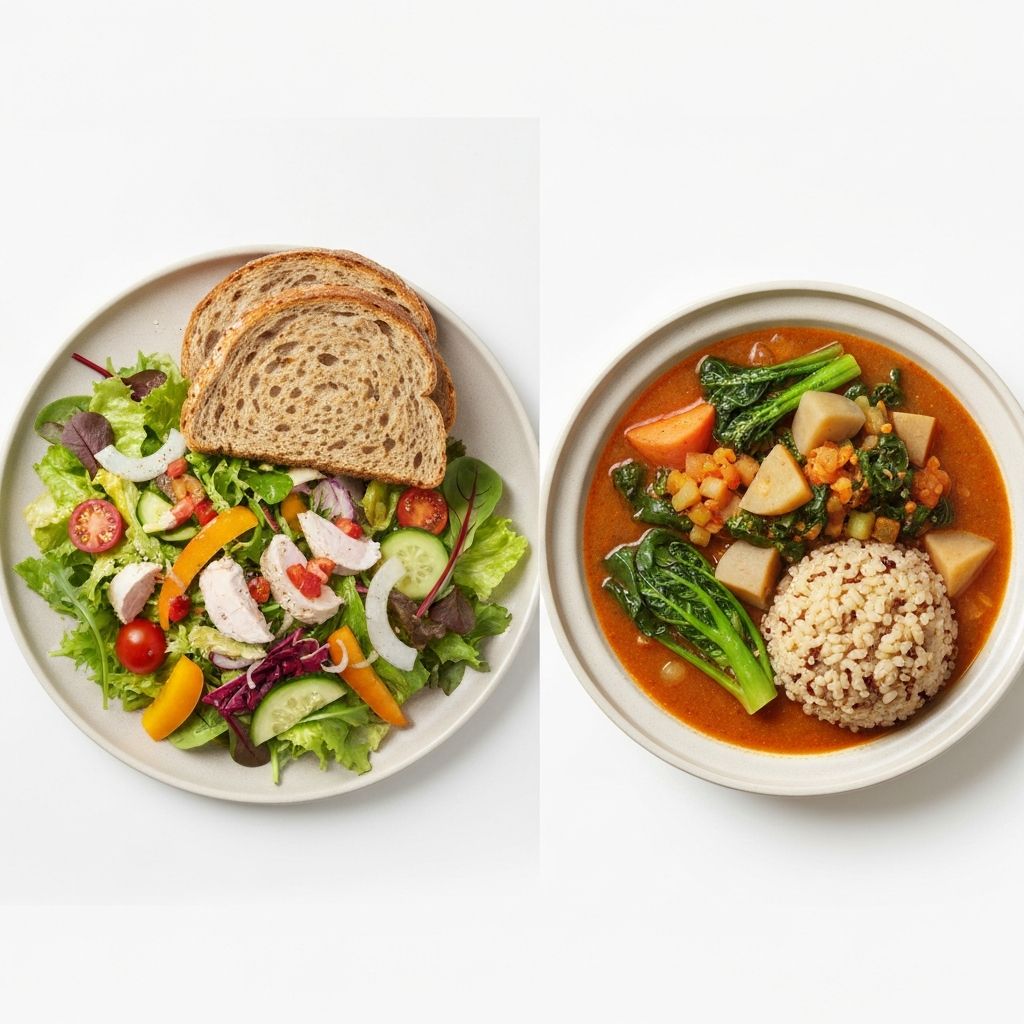
Understanding Daily Meal Patterns
Lunch and dinner together typically represent the majority of daily food intake in many eating patterns. Understanding how these meals relate to each other provides context for the diversity of approaches to distributing nutrition throughout the day. Different cultures and individuals balance these meals in various ways without one approach being universally optimal.
The relationship between lunch and dinner varies based on work schedules, cultural traditions, physical activity patterns, and personal preferences. Some people consume similar-sized lunches and dinners, while others emphasize one meal over the other. Both patterns exist widely across different populations.
Distribution of Food Groups
Distributing different food groups across lunch and dinner can occur in various ways. Some approaches include vegetables at both meals, concentrate protein sources at dinner, or vary carbohydrate types between meals. Others distribute food groups more evenly or follow cultural patterns that emphasize specific combinations.
Understanding this diversity illustrates that multiple valid approaches exist for distributing food groups throughout the day. Individual needs, preferences, and cultural backgrounds all influence these patterns. No single distribution pattern is inherently superior across all contexts and populations.
Timing Between Meals
The interval between lunch and dinner typically ranges from four to eight hours, varying based on work schedules, commute times, and personal routines. This timing affects hunger patterns and potentially influences meal sizes, though individual responses to meal timing vary considerably.
Some people include afternoon snacks between lunch and dinner, while others prefer to eat only at main meals. Both approaches are common, and the choice often depends on individual hunger patterns, work environments, and personal preferences rather than nutritional requirements.
Balancing Meal Sizes
The relative sizes of lunch and dinner vary significantly across cultures and individuals. Mediterranean and Latin American patterns often feature substantial lunches with lighter dinners. Northern European and North American patterns more commonly emphasize dinner as the main meal. Asian patterns show diverse approaches across different countries and regions.
Individual factors influencing this balance include work schedules, physical activity timing, social eating patterns, and personal digestion preferences. People who are very active in the afternoon may prefer larger lunches, while those with evening activities might emphasize dinner. Both patterns represent valid approaches based on different circumstances.
Integration with Breakfast and Snacks
Lunch and dinner exist within broader daily eating patterns that may include breakfast and snacks. How these meals relate to other eating occasions varies widely. Some people consume substantial breakfasts and moderate lunch and dinner, while others have minimal breakfast and emphasize later meals.
Snacking patterns between and around meals also differ. Some eating patterns include regular snacks, others minimize snacking, and some cultures traditionally have specific snack times like afternoon tea. These variations demonstrate the diversity of approaches to structuring daily food intake.
Cultural and Individual Variations
Cultural traditions significantly influence how lunch and dinner are balanced. Work cultures affect available time for lunch, which then influences dinner patterns. Family structures impact whether meals are eaten socially or individually, affecting both timing and composition.
Individual variations include personal hunger patterns, physical activity schedules, health considerations, and lifestyle factors. Understanding this complexity helps contextualize why diverse approaches to lunch and dinner balance exist globally. What works effectively in one context or for one person may differ from what suits another situation.
Limitations and Context
This article provides educational information about lunch and dinner patterns and their interaction in daily eating routines. It does not offer personal dietary advice or recommendations. Individual nutrition needs vary significantly based on health status, activity level, cultural background, and personal circumstances. This content describes patterns and explains concepts without prescribing specific actions or guaranteeing outcomes. For personalized guidance, consult qualified professionals.