Structuring Balanced Dinners
February 2026
Understanding Evening Meals
Dinner represents the evening meal in most eating patterns, typically occurring after work or school activities conclude. The structure and composition of dinner vary widely across cultures, family traditions, and individual circumstances. This diversity reflects different approaches to evening nutrition and social eating patterns.
Evening meals often serve multiple purposes beyond nutrition, including social connection with family or friends, relaxation after daily activities, and cultural expression through food traditions. These contextual factors influence dinner patterns alongside nutritional considerations.
Common Components in Dinner Meals
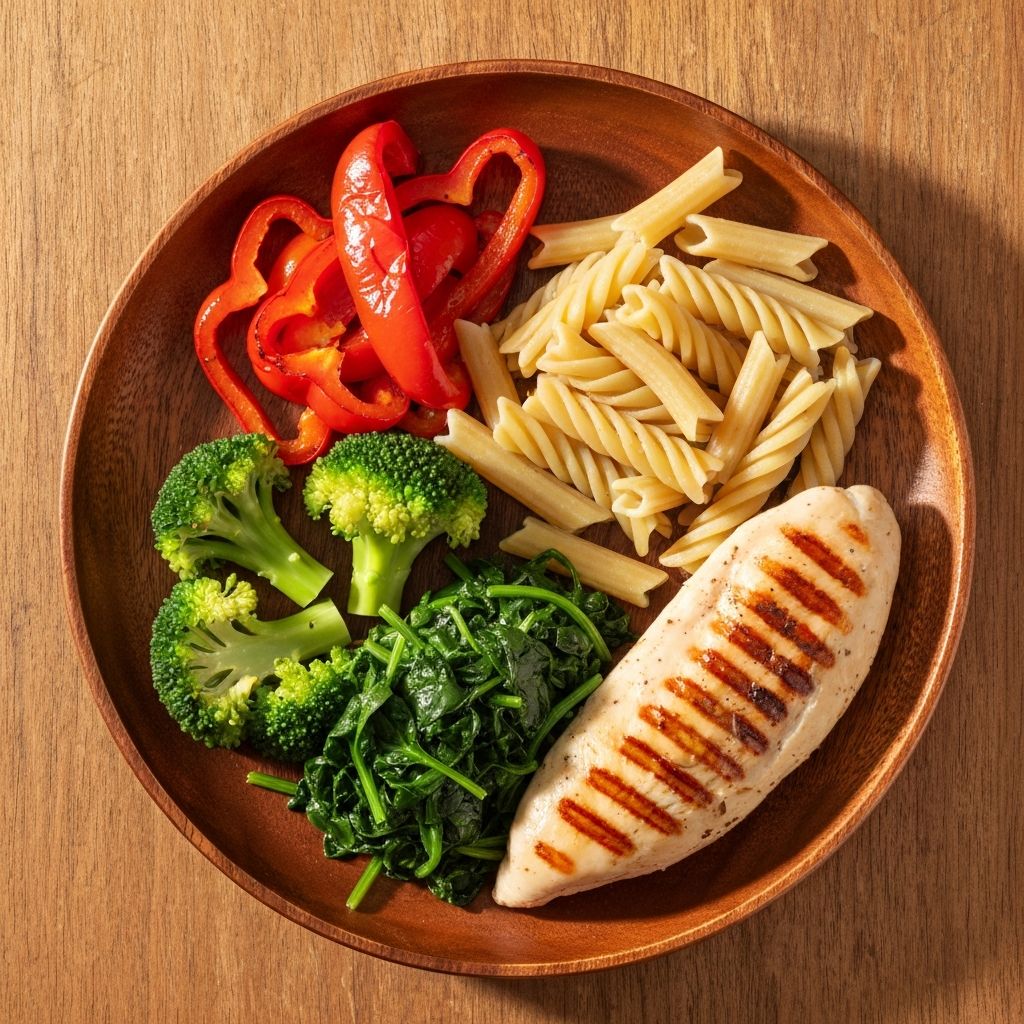
Typical dinner components may include vegetables in various preparations, protein sources such as fish, poultry, legumes, or plant-based options, carbohydrate sources like potatoes, rice, or pasta, and healthy fats from sources such as olive oil, nuts, or avocados. The specific combinations reflect cultural traditions and personal preferences.
Different cultural approaches demonstrate varied dinner structures. Some traditions feature multiple courses consumed over extended periods, while others favor single-plate meals. Mediterranean patterns might emphasize vegetables and olive oil, Asian traditions often include rice or noodles with vegetables and protein, and Western approaches show diverse formats from casseroles to separate components.
Timing and Social Context
Dinner timing varies significantly across cultures and individual schedules, occurring anywhere from early evening to late at night. Work schedules, family routines, and cultural norms all influence when people consume their evening meal. Some cultures favor early dinners around 6pm, while others traditionally eat later in the evening.
The social aspect of dinner is often more pronounced than other meals. Many people share dinner with family, roommates, or friends, making it a social occasion as well as a nutritional event. This social component influences both meal choices and eating pace without one approach being inherently better than another.
Portion and Meal Size
Dinner portions differ based on whether dinner serves as the main meal of the day or a lighter evening option. In some cultural patterns, dinner is the largest meal, while others distribute food intake more evenly across meals or emphasize lunch as the main meal.
Individual energy needs, physical activity patterns, and personal preferences all influence appropriate dinner sizes. People with active evening routines may have different needs than those who are sedentary after dinner. Understanding this variability helps contextualize the diversity of valid approaches to dinner portions.
Integration with Sleep and Evening Routines
Dinner timing relative to sleep varies among individuals and cultures. Some people eat dinner several hours before bedtime, while others eat closer to sleep. Various factors including work schedules, cultural traditions, and personal digestion patterns influence these timing decisions.
Evening routines after dinner also vary. Some people engage in physical activity after eating, others prefer relaxation, and some have continued work or family responsibilities. These contextual factors interact with dinner patterns in diverse ways across different lifestyles.
Limitations and Context
This article provides educational information about dinner patterns and composition. It does not offer personal dietary advice or recommendations. Individual nutrition needs vary significantly based on health status, activity level, cultural background, and personal circumstances. This content describes patterns and explains concepts without prescribing specific actions or guaranteeing outcomes. For personalized guidance, consult qualified professionals.